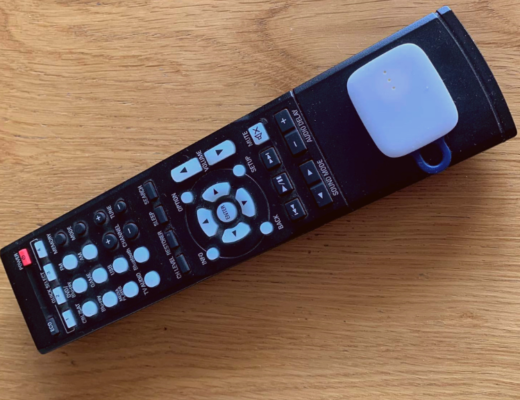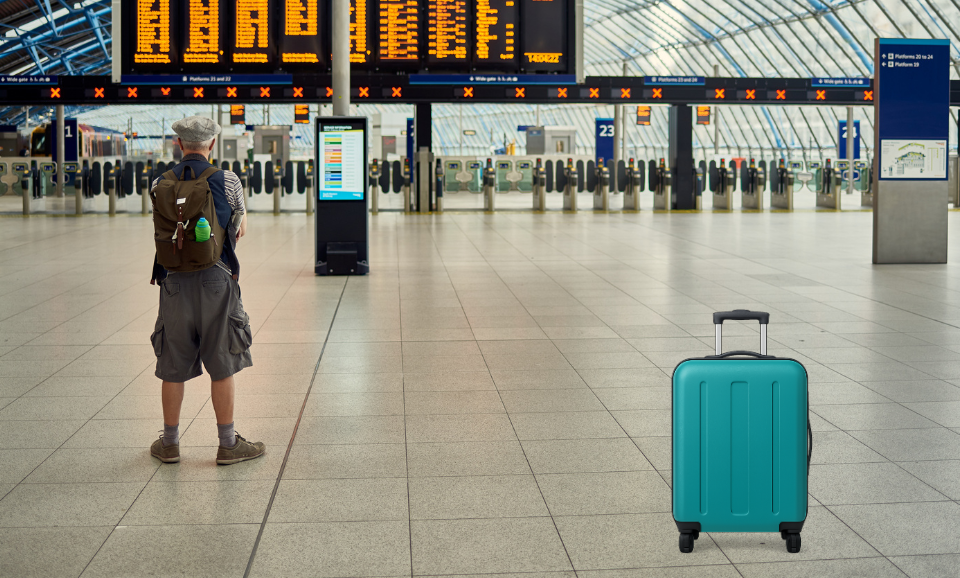
Protecting your luggage when flying increasingly relies on monitoring its position in real time. Small GPS devices such as the notiOne GPS can easily be placed in a suitcase so you can follow its journey in the app. It is a practical way to protect against lost or stolen luggage, especially on trips abroad.
According to an industry report by SITA, in 2022 airlines around the world recorded more than 26 million pieces of “mishandled” baggage (delayed, lost or damaged), which corresponded to an average of around 7–8 bags per 1,000 passengers. In practice this means that, with air traffic on the rise, the risk of luggage problems remains very real.
Do luggage tracking devices affect aircraft safety?
No. Luggage tracking devices of this kind do not actively emit a radio signal – they only receive data from satellites, so they do not interfere with on-board systems. Before boarding, you can check whether your suitcase has been loaded onto the right aircraft using the app that shows its position.
The most common luggage problems occur with transfers and connecting flights. This is where more than half of all cases of “mishandled baggage” happen – when a suitcase does not get transferred to the next aircraft in time or ends up at the wrong airport. In situations like these, being able to monitor your luggage yourself in the app gives passengers an extra sense of control.
It is worth remembering that trackers with a lithium-ion battery are usually allowed in checked luggage provided their capacity does not exceed 100 Wh – this is the standard with most airlines. Devices with a larger capacity should be declared and carried in the passenger cabin.
Why do we switch on aeroplane mode?
The recommendation to switch on aeroplane mode during a flight comes from a concern for safety. Mobile devices (phones, tablets, smartwatches) emit radio waves which – in extreme cases – can interfere with communication between the pilot and the tower or affect the sensitivity of navigation systems. Although modern aircraft are well shielded against interference, the rules on this matter remain conservative.
Summary: a GPS tracker in your luggage and flight safety
- You can carry a GPS tracker in checked luggage as long as it meets the battery requirements.
- The device does not interfere with the aircraft, because it does not actively emit a signal.
- Make sure the tracker is charged and check your suitcase’s position before you board.
Luggage tracking while travelling is an increasingly popular practice among savvy airline passengers. Solutions like these let you travel with more peace of mind – and a greater sense of control over your belongings.