Adopting a dog from a shelter or a rescue charity is an invitation to a new life for the animal – one in which a strong bond will form between the dog and its new owner. But if you want to adopt a dog, you need to prepare properly, especially as it will need an individual approach from its new carer. We have put together a guide to make the whole adoption process easier. Here is what you should know before adopting a dog.
Why adopt rather than buy a dog?
Have you heard of the “Don’t shop, adopt” campaign? Its aim is to draw attention to animals that have been abandoned and are waiting in shelters for new owners who will give them a home. Contrary to what you might think, shelters and rescue charities have all kinds of dogs waiting – even puppies. By choosing adoption you are not only doing a good deed, you are also changing the life of an animal that ended up in a shelter through no fault of its own.
Don’t worry – dogs in shelters are treated very well: they get good food, veterinary care and clean kennels, and volunteers take them for walks and play with them. Even so, they are missing the most important thing – the love and closeness that only a new carer can offer. By choosing adoption you give a dog a new life, and in return it will give you its whole heart and you will gain a friend for many years.
Where can you adopt a dog from?
You can adopt a dog from a range of charities and associations and, of course, from a shelter. You can also find a dog in foster homes, animal holding facilities and in adverts from private individuals who, for one reason or another, are looking for a new home for their pet.
When looking for a dog, it is worth going to a shelter, where the staff will help you pick the right four-legged friend. You will also have the chance to get to know each other better before you move in together, for example on shared walks.
Charities and associations also offer support from volunteers, who will suggest which animal will suit you best and let you meet it beforehand.
When taking a dog from a foster home or a private individual you are choosing a specific animal, so it is worth asking about its character in advance and getting to know it better. Most foster homes will happily agree to this; with a private individual it may be more complicated, especially if they are in a hurry to find the animal a new place as quickly as possible.
Who can adopt a dog?
In theory, any adult who is properly prepared to adopt an animal, has got to know it and meets all the adoption requirements can adopt a dog.
In practice, the whole family adopts the dog. It is worth finding out how every member of the household feels about adopting a dog, because a new family member will turn your life and daily routine upside down to some extent. This also applies to people who rent a flat with housemates.
Why is this so important? Because a dog from a shelter or a rescue charity needs an individual approach – you have to build its trust in people and skilfully introduce it to life together. The other people close to you should also know how to live alongside an adopted dog.
What to ask before adopting a dog?
Before you start asking the carers of dogs up for adoption any questions, ask yourself a few first:
- Can you afford to keep a dog? This is a very important question. A dog needs high-quality food, various accessories, toys and treats, as well as visits to the vet, which can be very expensive. If there are behavioural problems, you also have to add the cost of consultations with specialists in this field.
- Does a dog fit your lifestyle? Think about what your day looks like – are you super active and hardly ever at home, or do you lead a more laid-back life? This should be your main guide when choosing a dog: if you like running, pick a dog that will keep you company, and if you prefer a quieter life, a couch potato will suit you better.
- Allergies? If you don’t know whether you or someone in your close family has an allergy, make sure by getting the right tests done. Remember, too, that dogs often get dirty and have a distinctive smell, especially after rain. If you or someone in your family is a stickler for cleanliness, a dog may turn out to be a nuisance rather than a companion.
- Do I have time for a dog? Owning a dog means walks – 3-4 times a day, several dozen minutes each. So think about whether you have the time to take your pet out several times a day, whatever the weather.
- Am I ready to make sacrifices? A dog can destroy your favourite shoes, chew the sofa or get into the bin. Think about whether you are ready for sacrifices and compromises – sometimes you have to secure cupboards, hide your shoes and even give up certain plants because of the adopted dog’s character and appetite for mischief.
- What will I do with the dog over the holidays? This question applies to every trip you plan. Is there someone in the family who will look after the dog while you are away? Or are you planning to take your pet with you? Talk to your loved ones and discuss it. It is also worth considering a pet hotel, where staff will look after your pet professionally for a set fee. Sadly, the holiday season sees the highest number of dogs being abandoned and ending up in shelters.

How to choose a dog to adopt?
Before adopting, you should ask yourself what kind of dog you need. Every animal is different, and it is very important that the two of you make a good team. So think about whether you would rather have a companion for watching box sets together, a partner for your daily jog, or a canine friend for the whole family, children included. Don’t choose a dog purely on looks – some small, cute dogs have a stubborn streak and may turn out not to suit your lifestyle at all. On top of that, a dog is a commitment for at least several years.
Every dog is different, which is why the carers, who know their charges well, will help you match a dog to your needs and circumstances.
First, check the current listings on the website of the shelter in your area, then pay the shelter a visit. Talk to the staff and tell them about your choice. It is not unusual to find that the dog you picked may not quite match your expectations, so trust the carers, who will advise you on the best choice.
The next step is to get to know the animal, which you can do on shared walks and by visiting your four-legged friend at the shelter. Give yourselves time to get to know each other’s characters better.
How much does it cost to adopt a dog?
Adopting a dog doesn’t cost much. When you take a dog from a shelter, you simply make a donation on its behalf.
Depending on various factors, the amount ranges from PLN 20 to PLN 200.
Dogs put up for adoption have very often already been neutered or spayed. If the animal you want to take under your roof has not yet had this procedure, you will be obliged to have it done. If the shelter or charity you have chosen does not cover this cost, you will need to factor it into your household budget.
The pre-adoption questionnaire – what do they ask?
In the pre-adoption questionnaire you have to provide the details of the dog’s future owner and answer a few questions about adopting an animal. Among them you will find questions such as:
- Do all family members agree to adopting a dog?
- Why do you want to adopt a dog?
- Do you have children, and how old are they?
- Is anyone in the household allergic to dog hair or saliva?
- Do you already have any animals living with you?
- Have you had animals before?
- What kind of building do you live in – is it owned or rented?
- What living conditions will you provide for the animal?
- Will the dog be allowed into every room, or will it have its own designated area?
- Can you cope with the health problems of an older dog?
- Are you able to understand an animal with a “difficult” character?
- Are you ready to bear the costs of caring for a dog?
- What will you feed the animal?
- Will you promise not to abandon the dog?
You may also have to agree to a pre-adoption home visit, so that the current carers can get a better idea of the conditions you want to offer the new family member.
Once the shelter approves the adoption, you will receive a contract – this is now standard practice and gives the shelter grounds to take the dog back if it is mistreated. Along with the contract you will also receive the dog’s health record book, which you will need at every visit to the vet.
Conditions of adoption from a shelter
In practically every shelter, before animals are handed over to their new owners, they are:
- vaccinated against rabies and infectious diseases,
- dewormed and protected against fleas and ticks,
- permanently identified, usually with a microchip,
- spayed or neutered,
- given a health record book containing all the information about their treatment and preventive care to date.
Of course, you can take your dog to the vet for a check-up, but before you do, give it a little time to get used to its new surroundings.
How does a dog settle into a new home?
It is an ongoing process, so be prepared for the animal to need time to adjust to its new home. It has to get used to its new environment, explore it and face its challenges.
Your patience and commitment will be crucial. And if you would like a specialist’s support while your new dog settles in, it is worth seeking advice from behaviourists.
A shelter dog may be anxious or greedy, or may relieve itself indoors rather than outside, so think all of this through before you adopt. Ask the shelter staff about these issues in relation to the dog you want to invite into your home. Every relationship takes time – be patient and give the dog a chance to let go of its fears as its trust in you grows.
Essential kit for your dog
When adopting a dog you also need to provide it with the right kit. So head to the shops and buy:
- a collar or harness and two kinds of leash – a short one and a long one,
- a treat pouch for the treats you will give your pet on walks,
- an ID tag and a microchip, in case the animal runs off,
- shampoo and tick protection (consult your vet about the latter),
- poo bags and a bag holder,
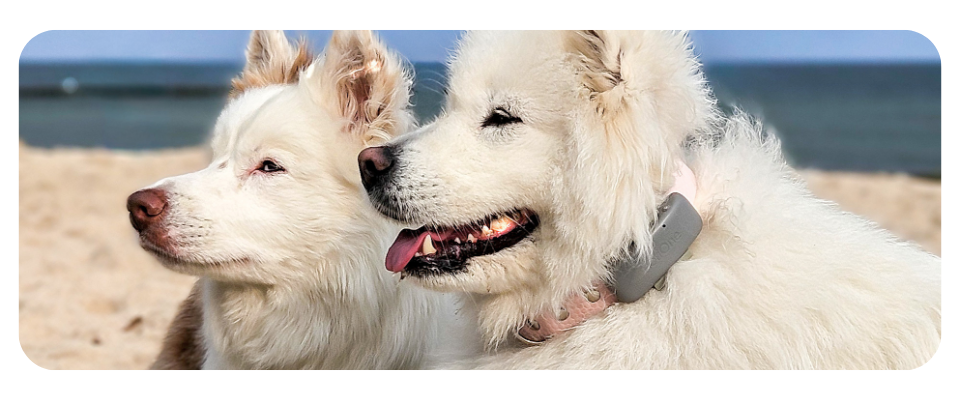
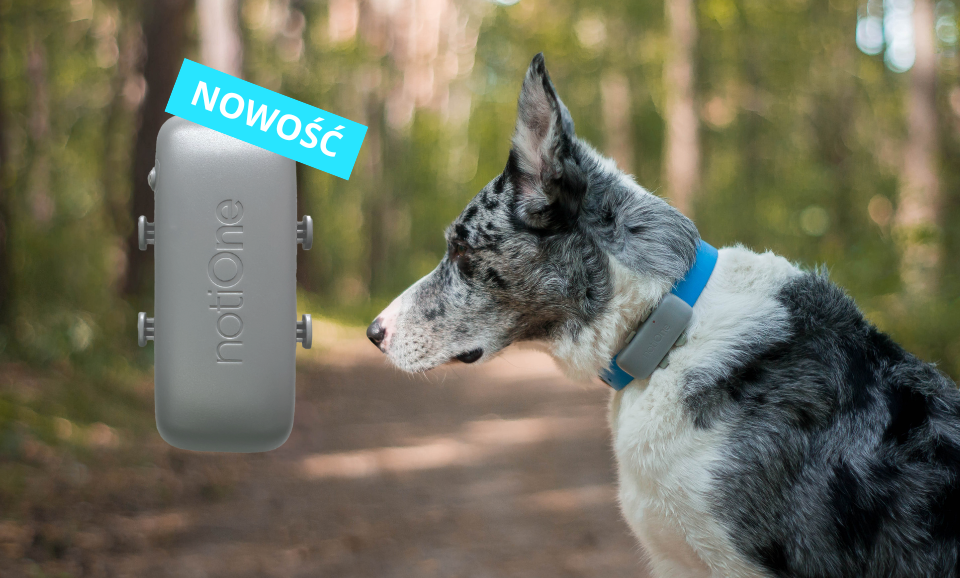
- a GPS tracker to monitor its position,
- dog bowls – for food and water,
- a bed or mat,
- food and treats.
You will find more information on putting together the right kit for a new dog in our post.

Dogs and children
Never adopt a dog solely for the children. The decision is yours, and you are the ones responsible for the animal. Unfortunately, despite promises to look after the dog, children can quickly get bored of the “new toy” and the dog will be left on your hands.
And if you are choosing a dog for the whole family and there are children in it, make sure you know how it behaves around the youngest before you adopt. Ask the shelter staff about the dog’s attitude to young children, and visit the shelter with your child so that they can meet the animal – and make sure your child will be a good carer for the dog too.
If you don’t have children yet but are planning to, also check with the animal’s carers how it reacts to very young children, especially babies, who can be loud and disturb the animal’s peace.
A new dog at home – how to prepare your dogs for living under one roof?
If there are other animals in your home, you need to go through what is known as the assimilation process. This means you should not try to make the animals friends straight away, but give them time to get used to the new smells.
Once the animals accept each other’s presence, you can introduce them under supervision. The more time they spend together, the greater the chance they will get along. Remember, though, that not every animal has to make friends with another member of its own (or a different) species. Some animals, by nature, prefer solitude. Don’t force anything to make them like each other – simply create a friendly space where they can live side by side. If you don’t know how to do this, you can ask the shelter or charity staff for help, or turn to a behaviourist.
How to feed a shelter dog?
An adopted dog should be fed nutritious food. You can also add snacks to its diet, which come in especially handy when working on good habits.
Before you buy wet and dry food, though, check with the shelter staff whether the animal has any allergies or conditions that rule out certain types of food. Very often a small amount of the dog’s current food is sent along to the new home so that, if you change it, you can mix the two and gradually get the dog used to the new food. Some shelters are in such a poor financial position that they are forced to work with manufacturers of lower-quality food just to be able to feed all the animals in their care. This is worth bearing in mind. Remember, too, that some animals have health problems that require special veterinary diets.
You also need to bear in mind that dogs love company at mealtimes and are very good at persuading family members to share their food. Of course, you must not give in and feed your pet “human” food, as this can only do it harm. It is better to make sure your pet has a full bowl during family meals too, or give it a snack that will keep it busy for longer. If you really do want to treat your dog to what you are eating, be sure to check that it won’t harm it. Chocolate, grapes and onions, for example, are toxic to dogs.
Adopting a dog must always be a well-considered process. If you are thinking about it, ask yourself a few questions to find out whether you are truly ready to welcome a new family member and give it the right living conditions – especially as a shelter dog may have its own fears and character that you will need to work on together.
If our article has helped you make up your mind and you feel ready to adopt a dog, congratulations – we are keeping our fingers crossed for a wonderful friendship! A fantastic adventure awaits you!