A good GPS tracker for a cat always has to answer one question: where is the cat when it doesn’t come home? This matters all the more because cats can leave home when you least expect it. A tracker helps you react appropriately and take the right steps to locate your cat quickly.
In this guide you’ll find out which specifications to look at before buying, in which situations the device is most useful, and how it differs from AirTag-type solutions. We’ll also show you which technical details are worth comparing so that you don’t choose a device on price alone – because that, too, can end up as an unpleasant surprise.

Which GPS tracker should you choose for a cat?
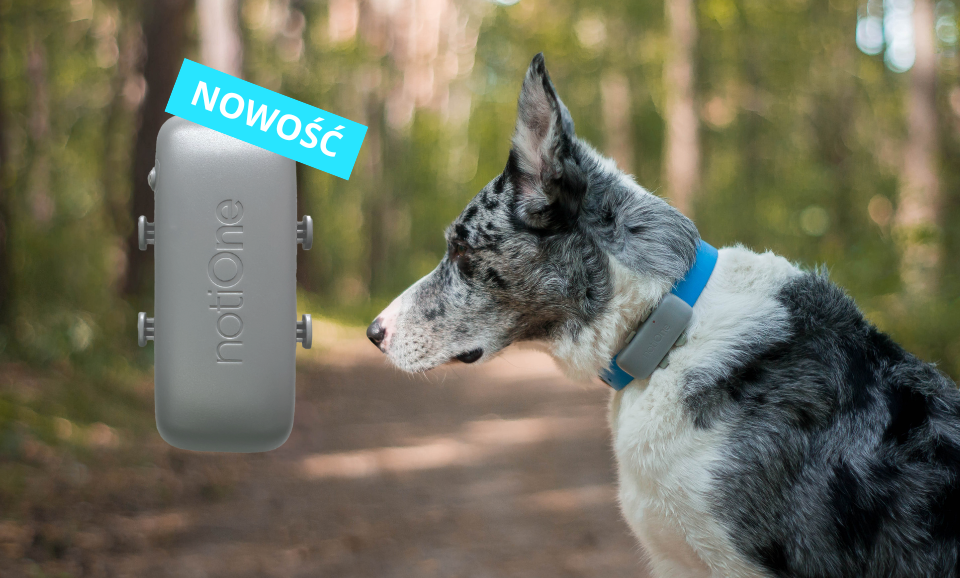
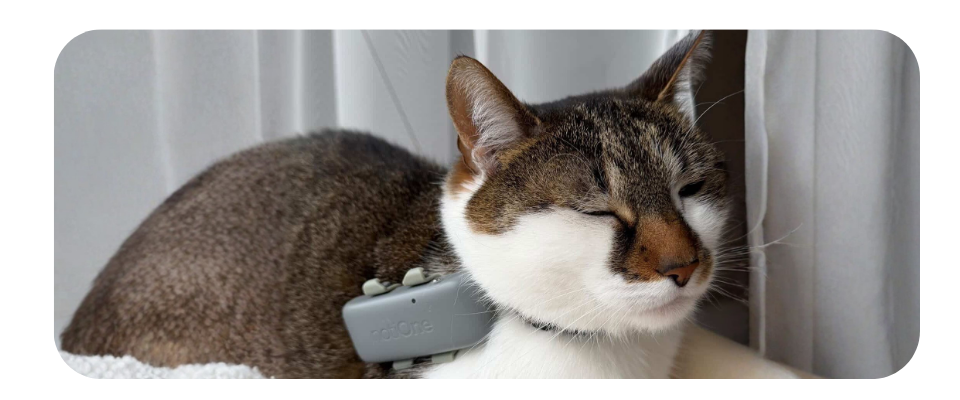
For a cat, it’s best to choose a GPS tracker that doesn’t get in the way of the animal’s everyday movement. The device should be small enough for the cat to walk, jump, rest and squeeze through bushes or fences freely. It should also be possible to attach the tracker to the cat’s harness or collar.
The most important specifications of a GPS tracker for a cat:
| Specification | Sensible benchmark |
|---|---|
| Weight | approx. 30–40 g |
| Dimensions | compact, e.g. approx. 75 × 41 × 19 mm |
| Battery | approx. 700 mAh |
| Battery life | up to 3 days or more |
| Water resistance | ideally IP67 |
| GPS accuracy | from 2.5 metres to 5 metres |
| App | Android and iOS |
| Subscription | ideally no monthly fee |
If the manufacturer doesn’t state the weight, battery capacity, battery life or protection rating, it’s hard to compare the device fairly with other trackers.

What to look for when buying a GPS tracker for a cat
When buying a GPS tracker for a cat, the most important things are the battery, location performance and the other features that will determine whether it does its job at the crucial moment. It’s not worth choosing a tracker on price alone or just because it says “GPS” on the box. A device for a cat has to work in everyday conditions: on a collar, in the rain, in the garden, by the fence, in the bushes and during longer trips away from home.
Below you’ll find the key specifications worth checking before you buy.
What makes a good battery in a GPS tracker for a cat?
A good battery in a cat GPS tracker should allow several days of operation, but the actual running time depends on how often the position is refreshed. The more frequently the device sends its location, the faster it uses up energy. notiOne GPS PET has a 700 mAh battery and can run for up to 5 days, depending on the settings and how it’s used. This matters because a tracker only makes sense if it’s working at the moment your cat doesn’t come home.
On a day-to-day basis you don’t always need very frequent updates. More precise tracking makes more sense when you’re actually looking for your cat. In normal use, the balance between an up-to-date location and battery life matters more.
How accurate should a GPS tracker for a cat be?
A good GPS tracker for a cat should show the location to within a few metres in good conditions. notiOne GPS PET offers accuracy of around 2.5 m when the device has a proper GPS signal. GPS works best outdoors. In a cellar, garage, block of flats, densely built-up area or under a roof, accuracy may be lower. That’s why in practice it’s not just the current position that counts, but also the last known location. A tracker won’t always show the cat “to the centimetre”, but it can narrow the search area from the whole neighbourhood down to a specific street, property, garden or outbuilding.
Is water resistance important in a GPS tracker for a cat?
Yes, a GPS tracker for a cat should be resistant to water and outdoor conditions. Cats walk through wet grass, mud, gardens and bushes, and often come home in the rain. A good benchmark is an IP67 rating. It means resistance to dust and brief contact with water. For a cat, it’s not worth choosing a device that is only suitable for dry conditions.
What does location history show?
Location history shows where the cat has been before and which routes it takes regularly. It’s one of the most important features for outdoor pets, because cats often return to the same places. Thanks to position history, you can check whether your cat regularly visits the neighbour’s garden, the area near the road, or simply the local allotments.
How does geofencing work and do you need it?
Safe zones let you set an area, e.g. your home, garden or property, and receive a notification when the cat leaves it or appears in it. This feature is useful if the owner doesn’t want to keep checking the map manually. A safe zone doesn’t physically stop the cat. It tells you that the animal has wandered beyond the designated area.

A GPS tracker for a cat: with or without a subscription?
A subscription-free GPS tracker for a cat is a good choice for people who don’t want to pay a monthly fee to use the device. In the subscription model, the lower purchase price may look attractive, but the total cost grows with every month. And the moment you stop paying the subscription, the device practically stops working. Unfortunately, models like these force you into recurring payments.
Example cost after 24 months:
| Model | Cost after 24 months |
|---|---|
| Device PLN 250 + subscription PLN 30/month | PLN 970 |
| Subscription-free device – one-off cost | PLN 599 |
That’s why, when choosing a GPS tracker for a cat, it’s worth calculating not only the price of the device but also the cost after one, two and three years. notiOne GPS PET works with no monthly subscription, so the user doesn’t pay every month for access to the location.
Summary
The best GPS tracker for a cat in 2026 should help the owner quickly check where the cat is and where to start looking when the animal doesn’t come home. When choosing, look at specific parameters such as weight, battery, durability, accuracy, the app, location history, safe zones and running costs. notiOne GPS PET is an example of a tracker that meets these criteria and works with no monthly subscription. This is especially important when the device is going to be used regularly over several seasons rather than just occasionally.
Frequently asked questions:
Choose a GPS tracker for your cat that is lightweight, has a mobile app, location history, water resistance, a battery that lasts several days and doesn’t require unnecessary monthly fees.
A GPS tracker for a cat should weigh around 30–40 g. That weight is a sensible compromise between the cat’s comfort and the space needed for the battery and GPS module.
Yes. There are subscription-free GPS trackers for cats. One example is notiOne GPS PET, which works with no monthly fee and no contract to sign.
GPS works best outdoors. At home, in a garage, a cellar or densely built-up areas, accuracy may be lower, which is why the last known location and position history are so important.
An AirTag can help in some situations, but it isn’t a true GPS tracker. For tracking a cat outdoors, a GPS tracker with an app, location history and safe zones is a better choice.