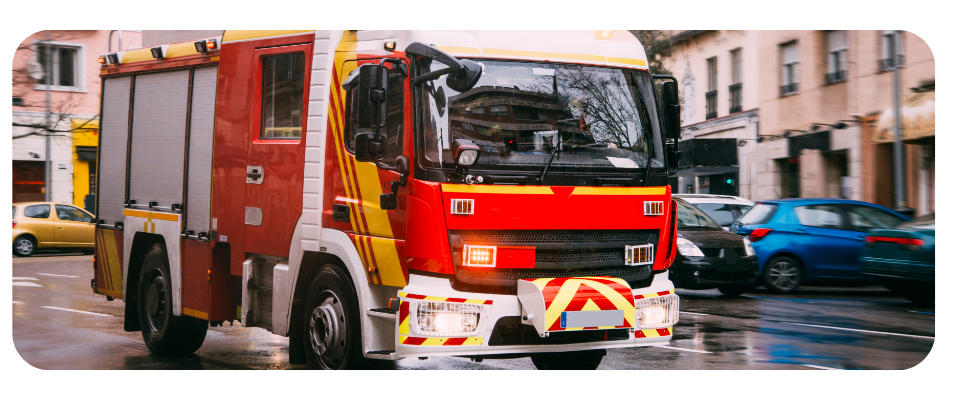
An emergency corridor (known in Poland as a “corridor of life”) lets ambulances, fire engines and other emergency vehicles reach people in need faster. When an accident happens, every minute can make the difference to the health or life of those injured. Creating one is not just good practice but also every driver’s legal duty – failing to comply and blocking the way for the emergency services can result in a fine of up to PLN 2,500.

How to create an emergency corridor
The first rule is that you don’t wait until the ambulance or fire engine is right behind your car. Start forming the emergency corridor as soon as you hear sirens approaching. This goes a long way towards preventing a jam on the road.
The most important rule is simple:
- drivers in the far left lane move as far left as possible,
- drivers in all the other lanes move as far right as possible.
This creates a clear space for the emergency services between the left lane and the lane next to it.
An emergency corridor on the motorway
An emergency corridor on the motorway is especially important. The hard shoulder may be blocked by a damaged car, vehicle debris or the services working at the scene. That’s why emergency vehicles drive through the space created between the cars.
When coming to a stop in a traffic jam, it’s worth leaving a gap between you and the vehicle in front. This makes it easier to move your car to the side and make room for the emergency services.
Once the first emergency vehicle has passed, don’t move straight back into the middle of the lane. More fire engines, police cars or breakdown vehicles taking part in the operation may be following the ambulance.

An emergency corridor on a road with 3 or 4 lanes
The rules don’t change with the number of lanes. If the road has three lanes in one direction, cars in the left lane move to the left, and vehicles in the middle and right lanes move to the right.
An emergency corridor on a road with 4 lanes is formed in the same way. Only drivers in the far left lane move to the left. Cars in the other three lanes move to the right.
The easiest way to remember it is one rule: left lane to the left, all the others to the right.

Emergency corridor – the law and the most common mistakes
The law is explicit: a driver is obliged to make way for emergency vehicles. This is set out in Article 9 of Poland’s Road Traffic Act. In practice, it means that when a jam forms on the road, there’s no point waiting for the sound of sirens. Cars should immediately position themselves so that an ambulance, fire engine or police car can drive through the middle.
The emergency corridor is not an extra lane for drivers who want to get out of the jam faster. You must not drive along it behind an ambulance, reverse or turn around without an explicit instruction from the emergency services.
The most common problem is reacting too late. Drivers only start moving aside when the emergency vehicle is right behind them. It also happens that they leave too little room, or move back into the middle of the road as soon as the first vehicle has passed. Meanwhile, more vehicles taking part in the operation may be following behind it.

Volunteer fire brigades and technology that supports safety
Creating a clear passage is one element of an efficient rescue operation. Just as important are the readiness of the units and access to the necessary equipment. Today, the Volunteer Fire Brigade (OSP) relies not only on specialist vehicles, but also on modern solutions that help keep its equipment safe.
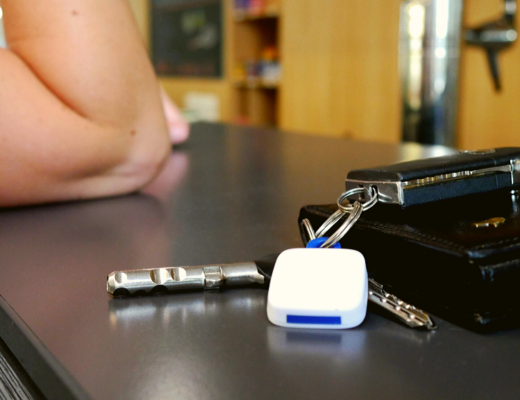
notiOne is a partner of the Association of Volunteer Fire Brigades of the Republic of Poland. notiOne GPS trackers are used, among other things, to protect AED defibrillators and other valuable equipment belonging to OSP units. They help keep track of where the equipment is and respond if it is moved without authorisation.
Drivers support rescuers by forming an emergency corridor correctly. notiOne, in turn, provides technology that helps protect the equipment they need. The goal is shared: to improve safety and make it easier to bring help where every second counts.