Anyone who enjoys hiking or cycling trips in the forest, the mountains or around a cluster of lakes should get themselves a handheld outdoor GPS! Especially if they like to plan a precise route in advance and then measure their results. How does an outdoor GPS work? Why is it worth having? What’s a good alternative to such a device? Check out our guide!
What is GPS?
GPS, or the Global Positioning System, is a global navigation system that uses satellites placed in Earth’s orbit. It was created by the United States Department of Defense and is currently controlled by the United States Space Force.
It consists of a network of over 30 satellites that circle the Earth in a specially designed orbit. Their job is to emit radio signals, which are picked up by GPS receivers on the ground. The receivers read how long the signal took to arrive from the satellite, which makes it possible to determine the receiver’s position with great accuracy.
GPS is now used in many areas of everyday life – discover the uses of the GPS system.
What is an outdoor GPS?
It’s a device that could also be called an outdoor sat-nav. It differs from a car sat-nav not only in appearance, but also in its features.
An outdoor GPS plots a route and also monitors your progress along it, telling you your speed, the distance covered and the distance still left to reach your destination.
An outdoor GPS comes with plenty of conveniences, such as a mount that lets you attach it to a bike, an optimised interface that can be used while wearing gloves, a LiveTrack option and incident detection.

How to choose the right outdoor GPS?
This device has to cope well with harsh outdoor conditions, so first of all look at how sturdy it is and how resistant the casing is to water, dust and even knocks. Another important aspect is battery capacity: it needs to be large so the device can keep going for a long time without recharging, which can be quite difficult out in the field.
The device’s memory, where you’ll load your maps, also matters. And the more detailed the maps, the more space they’ll take up in the GPS’s memory.
Additional features that will come in handy if you enjoy long hikes or bike rides include: a compass to help you work out your position in the field, route planning, and pressure, temperature and altitude measurement.
Outdoor GPS — why is it worth using GPS technology?
You might think an outdoor GPS is no use to you if you have a modern smartphone with loads of apps. Nothing could be further from the truth! Smartphones don’t like extreme temperatures: they may not work properly, and their battery may even drain faster. Without a working phone and sat-nav, it’s easy to get lost.
Bear in mind, too, that smartphones will run out of charge very quickly if you use them, for example, to shoot travel videos or take lots of photos. Besides, in some areas they may have no signal, which means the apps won’t work.
What to use instead of an outdoor GPS?
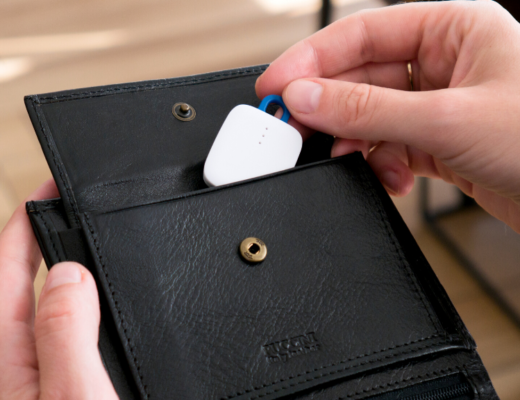
If you don’t want to invest money in buying an outdoor GPS, for example because you don’t do much hill walking, you can choose a notiOne GPS tracker and leave it, say, at your camp, in your car or with your bike, and head off on a hike.
On your way back from the trip, you’ll easily find the starting point of your route, where you left the tracker, in the dedicated app on your smartphone.
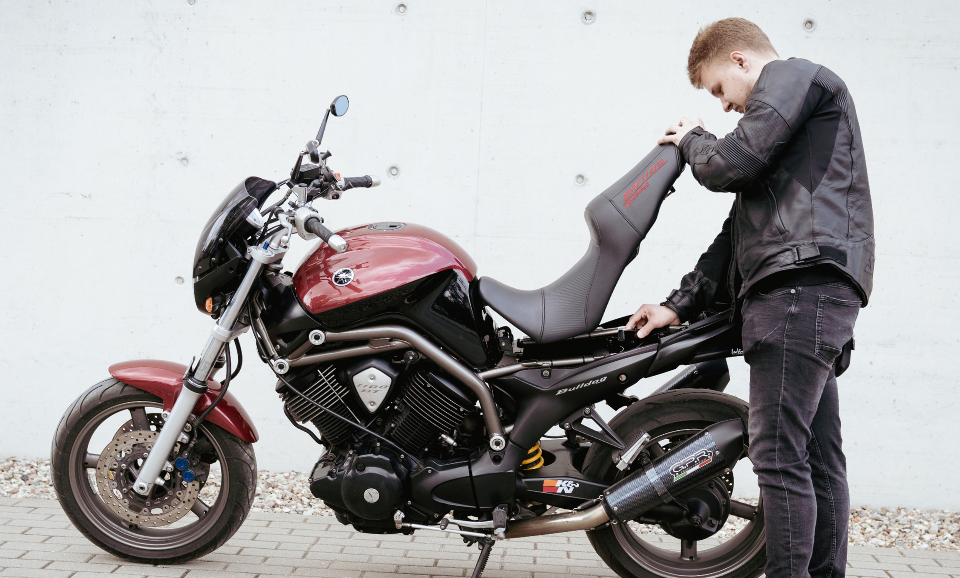
What’s more, you can also use notiOne GPS to protect your luggage, bike or car, or clip it to your dog’s collar!

A GPS tracker in the field
The notiOne GPS and notiOne GPS PLUS trackers work using the satellite signal sent by the 30 satellites orbiting the Earth. They determine their position using the GPS module inside the devices. The module receives the signal transmitted by the satellites and, on that basis, tells the device its current position, giving the coordinates and the time.
notiOne GPS updates its position on the map every 5 minutes when the device is on the move, and every 6 hours when it’s at rest. Location history is available for up to 30 days, so you can check your route and average speed from past trips.
Charging notiOne GPS devices is very convenient: simply connect them to a charger with a USB-C cable or to the car socket via an adapter. On a single charge, notiOne GPS can run for up to 6 months!
notiOne GPS does a great job when travelling, where it perfectly protects suitcases and backpacks full of gear, and even locates trailers, e-scooters or dogs that slip their leash.