The school year has just begun and children are back to in-person learning. That means a daily journey to school, and they won’t always be able to make it in the company of an adult. How can you make sure your child’s route to school is safe? Check out our tips.
Travelling to school alone – what you need to know!
Before you send your child off to school on their own, remember to plan their daily route and make them aware of the potential dangers they may come across along the way.
If the distance from home to school is short, it’s good for children to walk. Daily exercise in the fresh air is great for their health, and at the same time it’s an excellent lesson in independence and self-reliance – on a walk, children can be far more active than in the back seat of a car.
When planning the route to school, choose the safest one. The shortest route isn’t always the best. Take into account the number of pedestrian crossings, the type of traffic lights and the volume of traffic on the roads. A less busy route will definitely be safer for your child. Naturally, before you send your child off to school on their own, practise the route together. And don’t forget to set a good example – move around responsibly and thoughtfully, because children subconsciously imitate their parents.
Road safety rules your child needs to know
Knowing the rules of the road will help your child avoid many dangerous situations, so it’s very important to explain the key rules to them while you’re out walking. These include:
- never crossing the road on a red light, but waiting patiently for it to turn green,
- looking carefully left and right before crossing to the other side of the street,
- never crossing the road between parked cars,
- making eye contact with the driver and signalling with a hand gesture that they want to cross.
The safety of children who take the busiest routes, especially at pedestrian crossings, is often watched over by the municipal police (straż miejska). Officers wear bright orange and yellow high-visibility clothing and carry STOP paddles, and they escort children across pedestrian crossings. Before the school year starts, you can find out whether there are any crossings supervised by the municipal police near your child’s school.
If not, it’s worth encouraging your child to walk to school together with friends. A large group of children is more visible, and they can also look out for one another.
Cycling to school?
Cycling to school is a great idea. However, your child has to be ready for it, so you need to assess their skills and their ability to concentrate when riding the route alone.
Make sure your child:
- keeps their balance confidently on the bike, especially when cornering,
- can brake in time and keep a safe distance,
- stays in their own lane,
- can look over their shoulder while keeping a straight line,
- can ride confidently with one hand on the handlebars, which matters when signalling an intention to change lanes,
- anticipates different situations on the road,
- knows the basic rules of the road,
- has a cycling card (Poland’s cycling licence for children).
Taking the bus to school
Children who travel to school by bus are far less exposed to road accidents than those who walk. The bus is one of the safest means of transport. Your child should always take a seat and fasten their seat belt. If there are no free seats, they should hold on to the handles or rails. And if your child has the chance to avoid a crush, it’s better to choose a different, less crowded bus.
Most school buses have supervisors on board who look after the children’s safety and also help the little ones get on and off the vehicle. They also keep order and make sure everyone stays quiet.
Remember to familiarise your child with the rules of behaviour at the bus stop and on the bus. The most important ones are:
- don’t go near the road while waiting for the bus,
- don’t push when getting on or off the bus,
- after getting off, wait until the bus has pulled away before crossing to the other side of the road,
- don’t mess about during the journey – sit safely in your seat,
- always fasten your seat belt or hold on to the rails or handles.
Police advice for parents of children who walk to school alone
Every year the police launch a series of initiatives aimed at keeping children safe on their way to school. Patrols appear outside schools before the first bell to help the youngest children cross the road safely and to explain how they should behave on the road.
There is, however, a set of rules that the police remind parents of every year and ask them to pass on to their little ones.
- First and foremost, the principle of limited trust towards strangers – children shouldn’t give them too much information or go with them to unfamiliar places.
- Remember, too, that a child under the age of 7 may only use the road under the supervision of someone aged at least 10.
- Equip your child with reflective accessories they can wear on their backpack or jacket, and an ID tag with a contact number.
- Parents are also obliged to transport children safely by car, in a child seat that meets the legal requirements. And if they decide to let their child travel to school alone, they should prepare them for it well in advance and make sure the child doesn’t get up too late, so they don’t have to run to school. Rushing leads to reduced attention, and that in turn means a greater risk of danger.
Possible dangers on the way to school
The route to school can be dangerous, especially where there is heavy traffic nearby. That’s why the safest choice is a route that is longer but less risky. Other dangers your child may encounter on their way to school alone are strangers who may have bad intentions – so prepare your child properly, so they don’t talk to strangers or give them much information.
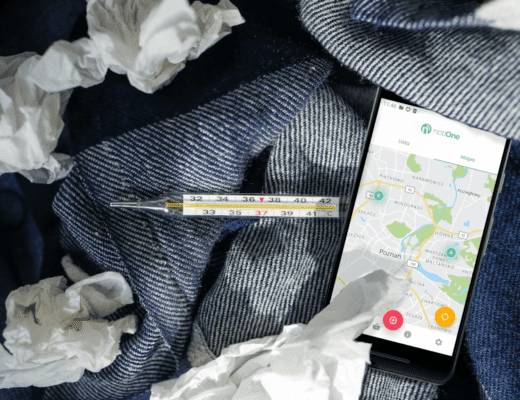
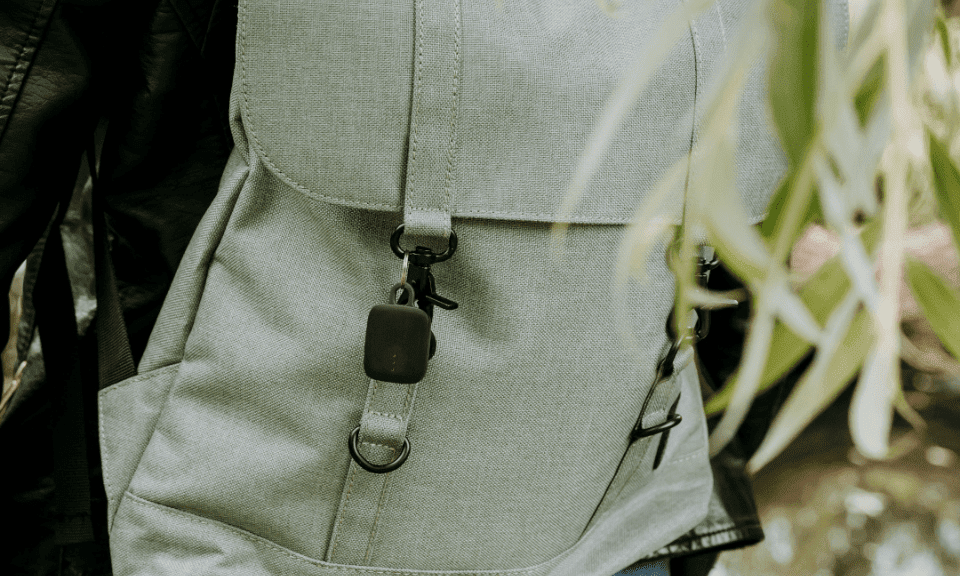
If you want to be sure where your child is at any given moment, you can equip them with a GPS tracker and check your little one’s current location. You can do this directly on your smartphone using the appropriate app.
It’s also a good idea to arrange with the parents of neighbouring children for them to travel to school together. A larger group of children is much more visible and also more recognisable to other people.