Lost keys, luggage that vanishes at the airport, a bike left outside a shop or a car parked in an unfamiliar city – each of these situations can cause stress and waste time. So it’s no wonder that more and more people are turning to trackers, which help them find important items or keep them more secure.
Two solutions dominate the market: Bluetooth trackers and GPS trackers. Although they serve the same purpose – locating things – they work in completely different ways and suit different situations. What’s more, many GPS devices come with costly subscriptions. That’s why it’s worth knowing which solution will be better for you – and how to avoid monthly fees.

How does a Bluetooth tracker work?
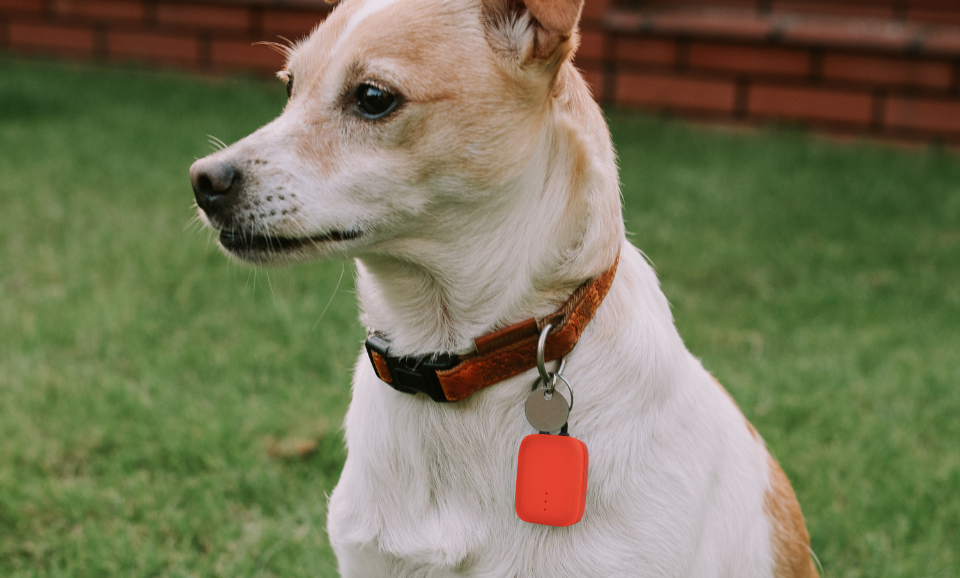
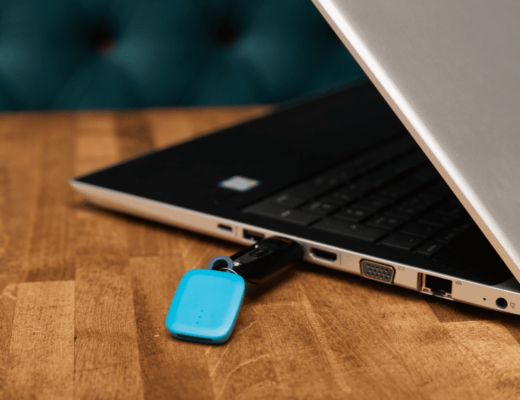
Bluetooth trackers such as notiOne go! PLUS use Bluetooth Low Energy (BLE) technology to communicate with your smartphone. This lets them establish the last known position of the item they’re attached to.
How it works:
- The tracker emits a Bluetooth signal.
- When it’s within range of your phone with the app installed, its location is saved.
- If you lose the item outside that range, the community of app users comes to the rescue and can help pinpoint the item.
Advantages:
- Small size and discreet design.
- Up to a year of operation on a single battery.
- No subscription and no hidden fees.
Disadvantages:
- Limited range – usually up to 50–100 metres.
- Outside that range, it depends on other app users.
Best suited to:
- Keys, wallets, backpacks, suitcases, pet leashes.
- Use in cities, shopping centres, offices and schools.

How does a GPS tracker work?
GPS trackers – such as notiOne GPS or notiOne GPS Connect – are devices that use satellite systems: GPS, GLONASS and Galileo, which determine the device’s position with high accuracy. The location data is sent to the app over the mobile network (GSM).
How it works:
- The device connects to satellites and determines its position.
- It sends the location data over the internet to your app.
Advantages:
- Real-time tracking – independent of your phone.
- Works almost anywhere – in the city, in the countryside, on the road.
- Extra features: safe zones, movement alerts, location history.
Disadvantages:
- Needs charging every few days or weeks.
- Larger and more expensive than a Bluetooth tracker.
Best suited to:
- Bikes, cars, motorcycles, drones, children, older people.
- Monitoring property over long distances – including abroad.

Which tracker should you choose?
It depends on what you want to protect – and where you’ll be using it:
- Everyday items (keys, backpack, handbag, pet)? Bluetooth. Small, simple, works without charging or running costs.
- Longer distances (bike, car, equipment, child)? GPS. Precise, works in real time, ideal on the road.
Watch out for subscriptions
Many GPS tracker manufacturers require paid subscriptions – for access to the app, for data transfer, and sometimes even to activate the device. These are extra costs that add up over time.
“Most GPS trackers come with monthly fees. At notiOne we wanted something different – trackers that work effectively, but without any subscriptions. You pay once and use it whenever you want. Simple and straightforward.”
says Bartosz Łączka, location technology marketing expert.
notiOne is one of the few brands offering trackers that work with no subscription. You buy once and use it with no fees. Simple, convenient, no commitments – in both the Bluetooth and GPS versions.
See which tracker suits your needs and uses

Looking for a Bluetooth or GPS tracker? Check out notiOne